
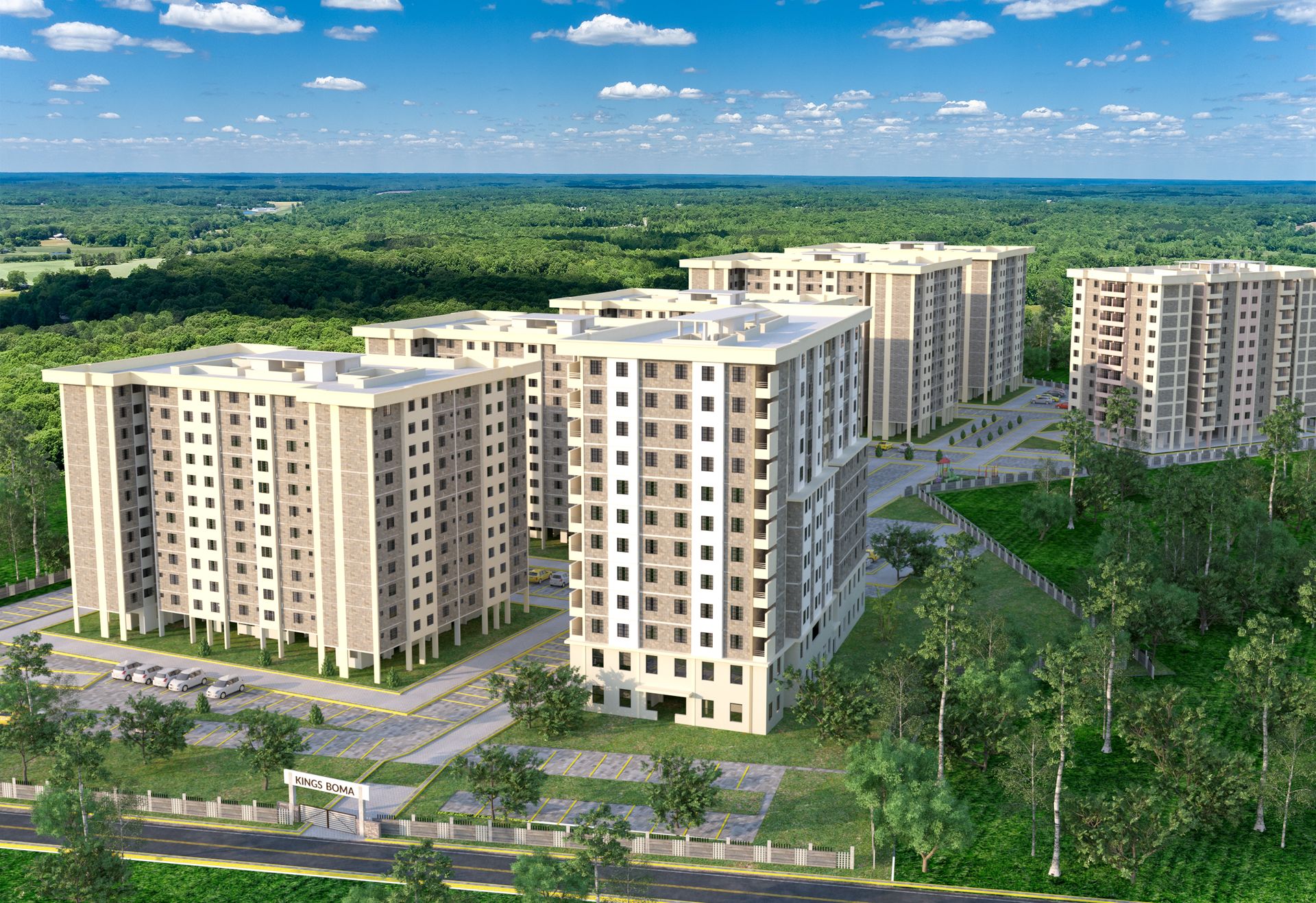

The Affordable Housing Program: 1. Are Landlords Feeling the Heat in Nairobi? 2. How Government Housing Projects are Affecting Private Landlords and Tenant Migration to Subsidized Housing
Nairobi’s urban landscape is in constant movement, and one of the most significant disruptors in recent years has been the Affordable Housing Program (AHP). While the AHP aims to uplift many Kenyans into homeownership or more affordable rentals, it’s undeniably sending waves through the private rental market. So, are landlords truly feeling the heat, and what does this mean for tenant migration to these subsidized housing options?
The Dual Impact of the Affordable Housing Program
The AHP is not just about building houses; it’s about reshaping the entire housing ecosystem. Its impact on landlords and tenant movement can be understood through two main lenses:
- Increased Competition for Tenants- With a rush of new, well-priced housing units, private landlords face stiffer competition, particularly in the low to middle-income segments.
- Tenant Migration to Subsidized Options- Many tenants, previously in the private rental market, are now actively seeking or moving into AHP units due to the perceived benefits.
Landlords Under Pressure: The “Heat” is On
The “heat” landlords are feeling is many-sided:
- Downward Pressure on Rents- As tenants have more affordable options, private landlords are often compelled to reduce their asking rents to remain competitive. This directly impacts their rental income and overall return on investment.
- Higher Vacancy Rates- Properties that were once easily rented out are now experiencing longer vacancy periods. This means lost income for landlords and increased costs for maintenance while the unit sits empty.
- Demand for Value- Tenants now expect more. If a private rental unit is priced similarly to an AHP unit, but offers fewer amenities, poorer maintenance, or a less desirable location, the private landlord will struggle to fill it. Landlords may need to invest in upgrades to justify their prices.
- Difficulty in Attracting New Tenants- The pool of tenants actively seeking private rentals in certain price brackets is shrinking as the AHP drains off a significant portion.
Unreliable evidence from various Nairobi estates suggests that landlords are indeed having to be more flexible with their rents and more proactive in property maintenance to retain tenants.
The Allure of Subsidized Housing: Why Tenants are Moving
The reasons behind tenant migration to AHP projects are clear and compelling:
- Affordability- This is the primary driver. AHP units are priced significantly lower, whether for rent or purchase, making quality housing accessible to a broader population.
- Modern Amenities- Many AHP projects boast new infrastructure, including reliable water, electricity, and sometimes even shared amenities like playgrounds or community centers, which might be lacking in older private rentals.
- Security of Tenure (Rent-to-Own)- The rent-to-own model offered in many AHP units provides a clear pathway to homeownership, a dream for many Kenyans. This long-term security is a huge draw compared to permanent renting.
- Improved Living Conditions- For tenants moving from informal settlements or older, less-maintained private rentals, AHP units offer a significant upgrade in living standards.
- Government Backing and Trust- The credibility of a government-backed project often instills more trust in tenants regarding fair pricing and consistent services.
For instance, areas like Pangani, Ngara, and Shauri Moyo, where some of the initial AHP projects have been launched, have seen noticeable shifts in the tenant demographic. People are actively applying for these units, often moving from neighboring informal settlements or even established private rental apartments.
Adapting to the New Reality: Strategies for Private Landlords
For private landlords in Nairobi, ignoring the AHP is not an option. Adaptation is key:
- Understand Your Niche- Identify what makes your property unique. Is it location, specific amenities, or a particular community feel?
- Competitive Pricing- Be realistic and willing to adjust rents to reflect market conditions and the new competition.
- Enhance Value- Invest in property maintenance, security, and minor upgrades that improve the tenant experience.
- Target Different Segments- Consider if your property could appeal to a higher-income bracket not targeted by AHP, or to expatriates and short-term renters if practicable.
- Focus on Tenant Relations- Good landlord-tenant relationships, cause repairs, and clear communication can be powerful tools for retention.
In conclusion, the Affordable Housing Program is indeed making private landlords in Nairobi feel the heat. It’s a necessary shake-up that’s pushing the market towards greater affordability and better standards for tenants. While challenging for some, it also presents an opportunity for innovation and a more responsive rental market in the long run.
What are your observations? Are you a landlord or tenant in Nairobi, and how has the AHP affected you? Share your insights below!

