
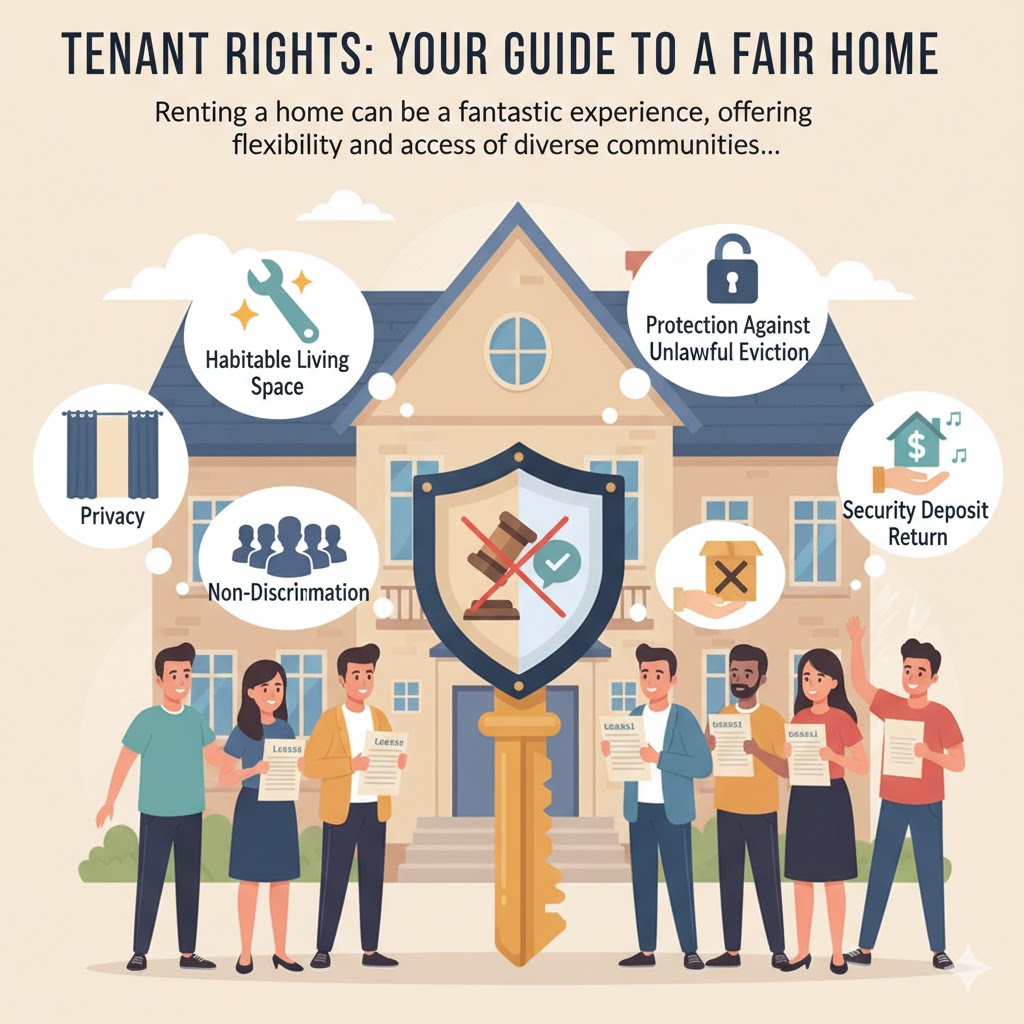

Tenant’s Rights: A Shield Against Landlord Overreach
Renting a home can be a fantastic experience, offering flexibility and access to diverse communities. However, it also comes with a unique set of challenges, especially when it comes to the relationship between a tenant and their landlord. While landlords have certain rights and responsibilities, so do tenants – and understanding these rights is crucial for a fair and harmonious renting experience.
Far too often, tenants find themselves in situations where they feel powerless, facing issues like unaddressed repairs, unfair eviction threats, or invasion of privacy. But the good news is, in many jurisdictions, laws are in place to protect tenants from such overreach. Knowing your rights isn’t just about being prepared for conflict; it’s about fostering a respectful and legally sound landlord-tenant relationship from the start.
The Foundation of Your Tenancy: The Lease Agreement
Your lease agreement is the bedrock of your tenancy. Before you even sign, it’s vital to read and understand every clause. This document outlines the terms of your rent, duration of tenancy, rules regarding property use, and the responsibilities of both parties. Don’t hesitate to ask questions or seek legal advice if anything is unclear.
Key Rights Every Tenant Should Know:
Understanding the Role of a Tenant in Your Rental Journey
Understanding Your Role as a Tenant
The Importance of Understanding Tenant Rights
While specific laws vary by location, here are some fundamental rights that are generally recognized and protected:
a) Right to a Habitable Living Space- Landlords have a legal obligation to provide and maintain a safe and habitable living environment. This means the property must meet basic health and safety standards. Think about things like:
- Structural soundness- Walls, roof, and foundation should be in good repair.
- Utilities- Access to running water (hot and cold), heat, and electricity.
- Pest control- The landlord is typically responsible for addressing infestations.
- Safety features- Working smoke detectors and carbon monoxide detectors.
Suppose your landlord fails to make necessary repairs promptly after being notified. In that case, you may have legal recourse, such as withholding rent (in an escrow account, not directly from the landlord, and only after specific legal procedures), or even breaking the lease.
b) Right to Privacy- Your rented home is your home. Landlords generally cannot enter your property at will. Most jurisdictions require landlords to provide reasonable advance notice (e.g., 24-48 hours) before entering, and usually only for legitimate reasons like repairs, inspections, or showing the property to prospective tenants. Exceptions typically apply in emergencies (e.g., a fire or burst pipe).
c) Protection Against Unlawful Eviction- Landlords cannot simply kick you out. There’s a legal process for eviction that must be followed. This typically involves:
- Proper notice- You must receive written notice of eviction, state the reason, and be given a specific timeframe to remedy the issue or vacate.
- Court proceedings- If you don’t comply with the notice, the landlord must typically file a case in court to obtain an eviction order.
- Valid reasons- Eviction usually requires a valid reason, such as non-payment of rent, violating lease terms, or the end of a fixed-term lease.
Self-help evictions (e.g., changing locks, shutting off utilities) are illegal and can lead to severe penalties for the landlord.
d) Right to Non-Discrimination- Fair housing laws protect tenants from discrimination based on race, color, national origin, religion, sex, familial status, and disability. Some local laws may add further protections. This applies to all stages of the rental process, from advertising to application to eviction.
e) Right to Return of Security Deposit- Your security deposit is your money, held by the landlord to cover potential damages beyond normal wear and tear or unpaid rent. Landlords are typically required to:
- Return your deposit within a specific timeframe after you move out.
- Provide an itemized list of any deductions made from the deposit for damages.
If you disagree with the deductions, you have the right to dispute them.
f) Right to Quiet Enjoyment- This right ensures that you can live in your rented property without undue interference from the landlord or other tenants. This includes protection from excessive noise, harassment, or other disturbances that significantly impact your ability to enjoy your home.
When to Seek Help:
Navigating landlord-tenant issues can be complex. If you believe your rights are being violated, don’t hesitate to seek assistance:
- Tenant advocacy groups- Many non-profits offer free or low-cost advice and support for tenants.
- Legal aid services- These organizations provide legal assistance to those who qualify.
- Housing authorities- Local government agencies can often provide information and mediate disputes.
- Attorneys- For complex cases, a lawyer specializing in landlord-tenant law can be invaluable.
In Conclusion:
Understanding and asserting your rights as a tenant is not about being confrontational, but about ensuring a fair and respectful relationship with your landlord. By being informed, you empower yourself to advocate for your living conditions and protect your interests. Remember, a well-informed tenant is a well-protected tenant.


Pingback:Nairobi: 10 Tips for Keeping Tenants Happy