

5 Essential Reasons Why Written Notices Matter When Vacating A House
Why Written Notices Matter When Vacating a House
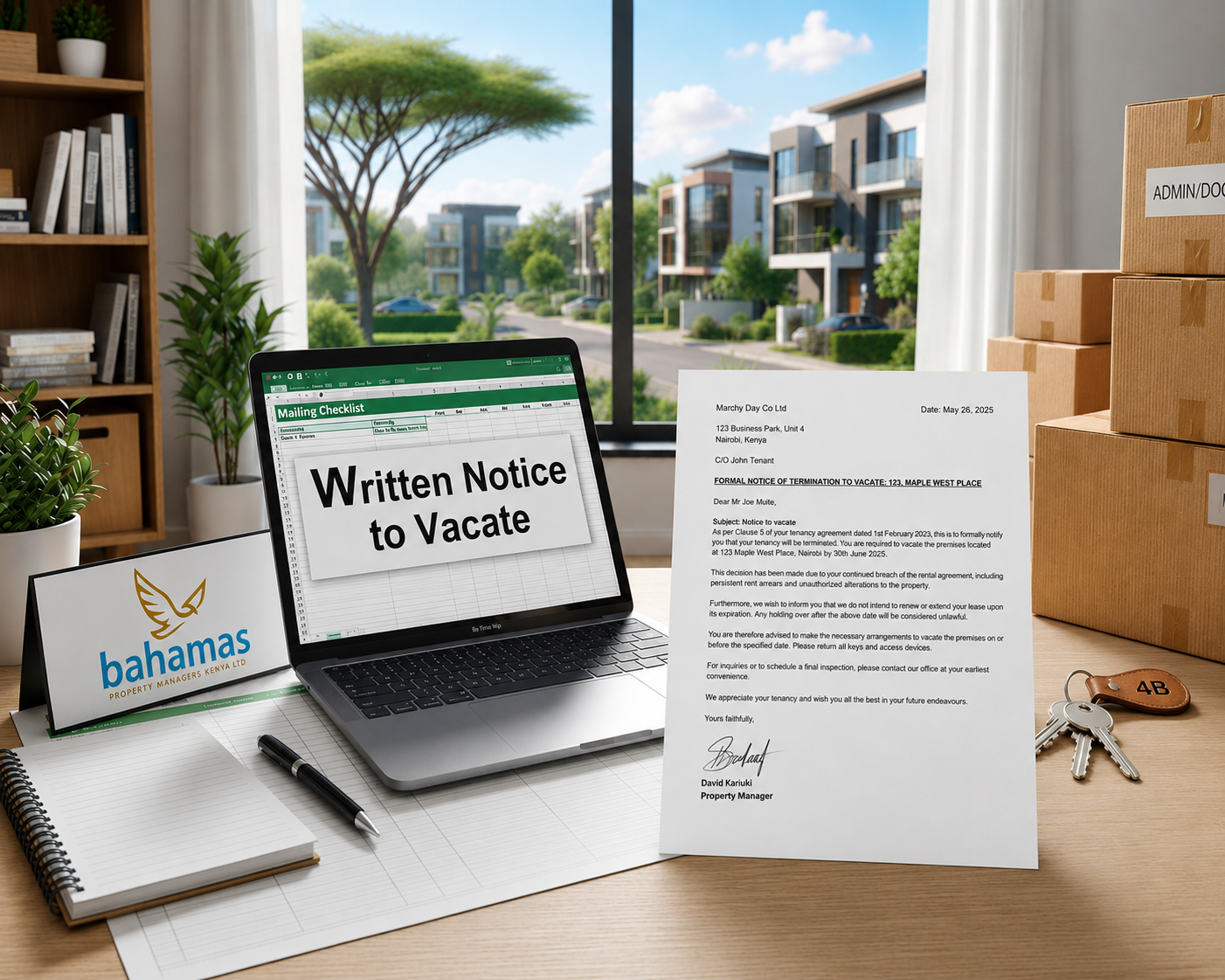
Moving out of a rental property is always a whirlwind. Amidst packing boxes, coordinating with movers, cleaning, and arranging transportation, it is easy to let important administrative details slide. One common mistake renters and property managers make is relying on phone calls, text messages, or verbal conversations instead of providing a written notice when ending a tenancy.
Whether you are a tenant preparing to hand over the keys or a property manager preparing for a new tenant, a verbal heads-up may not provide enough protection. A written notice to vacate creates a record of the tenant’s intention to leave and helps both parties understand their responsibilities. In the Kenyan real estate market, documentation can make the transition smoother and reduce unnecessary disputes.
- Safeguarding Your Security Deposit
Disputes over security deposits top the list of rental conflicts. Without a written notice establishing the precise timeline of your departure, vulnerabilities multiply:
- Preventing Unjust Withholdings: Landlords or property managers might claim you failed to provide proper notice, unjustly withholding funds or charging you for an extra month’s rent.
- Verifiable Possession Surrender: You secure an official record of when you handed back the property, protecting you if deductions for delayed move-outs are falsely claimed.
- Eliminating Misunderstandings
Memory is notoriously unreliable, especially during high-stress relocations.A quick hallway chat or phone call can easily lead to crossed wires regarding exact dates or renewal intentions, which is why a written notice is important.
- Clear Timelines: Does “the end of the month” mean midnight on the 30th or morning on the 1st? Writing it down removes ambiguity.
- Objective Records: A written document provides an unchangeable reference point that protects both parties from miscommunication.
- Fulfilling Legal and Contractual Obligations
Most residential and commercial lease agreements explicitly mandate that a notice to vacate must be delivered in writing—typically 30 to 60 days in advance.
- Contract Compliance: Mentioning your move to your property manager in passing does not legally satisfy your lease terms.
- Mitigating Legal Risks: A documented paper trail ensures full compliance with local tenancy legislation, protecting you from sudden legal penalties, automated lease rollovers, or breach-of-contract claims.
- Best Practices for Writing a Written Notice
To ensure your transition goes off without a hitch, knowing how to prepare a clear written notice is essential.
- Choose the Right Medium: Deliver a physical letter requiring a signature, or send a formal email that guarantees a timestamp and read receipt.
- Include Vital Details: Clearly state your full name, the exact property address, your final move-out date, and a valid forwarding address for your deposit refund.
- Keep a Copy: Always save a PDF or a physical photocopy of the dated notice for your personal record
- Helping Property Managers Prepare
Written notices also play a crucial role behind the scenes for landlords and property management teams. Once formal notice is received, operations can move forward efficiently:
- Streamlining Turnovers: Property managers can immediately schedule final inspections, identify necessary repairs, and arrange professional cleaning.
- Minimizing Vacancy Periods: Early preparation allows teams to prep the property for viewings and begin marketing for a new tenant right away, helping landlords maintain consistent rental income.
- Setting Clear Expectations: It gives tenants precise instructions regarding cleaning standards, key return protocols, settling outstanding utility balances, and inspection scheduling.
A written notice is never just a cold formality; it is a mutual shield of accountability that benefits everyone involved. Taking just five extra minutes to draft a proper letter saves weeks of potential stress, financial loss, and costly legal headaches.
At Bahamas Property Managers, our ultimate goal is always to make property ownership and tenancy transitions much simpler, more transparent, and more rewarding through professional, reliable oversight every step of the way.

