
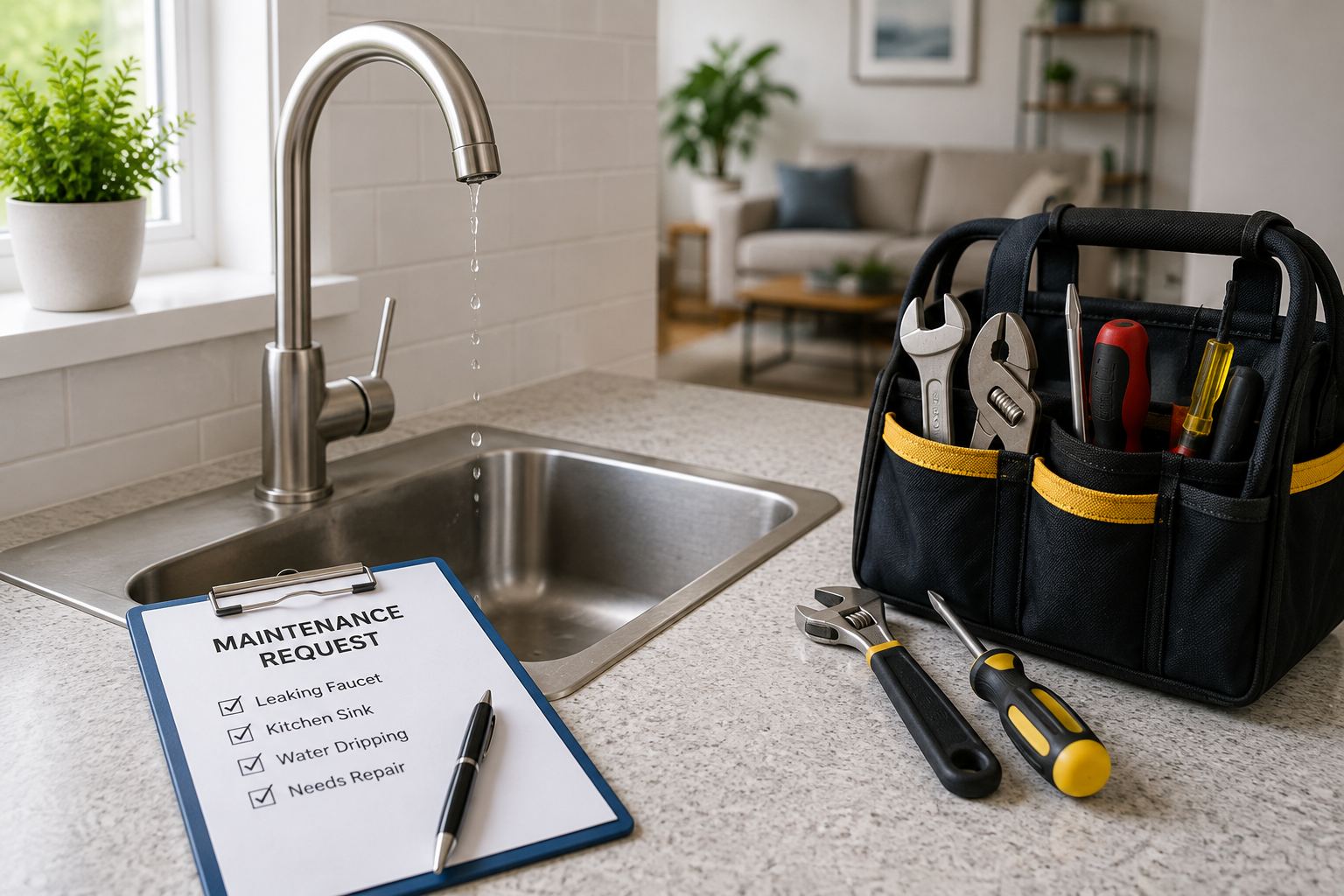

How to Report Maintenance Issues Effectively: A Guide for Tenants
Renting a home comes with its shared responsibilities, and sooner or later, a maintenance issue is bound to pop up. Whether it is a leaking faucet, a faulty electrical switch, or a stubborn drainage clog, reporting the problem promptly and clearly is essential.
Effective communication does not just protect your living comfort; it also ensures that repairs are handled quickly and prevents minor problems from escalating into costly structural damage. Here is a step-by-step guide on how to report maintenance issues effectively as a tenant.
- Document the Issue Clearly
Before you reach out to your landlord or property manager, gather all the necessary facts. A vague message like “the bathroom is broken” will only lead to delays while management asks clarifying questions.
- Take Clear Photos and Videos: Visual proof helps property managers understand the severity of the problem immediately. If it is a leak, capture where the water is pooling; if it is an electrical fault, photograph the affected area (if safe to do so).
- Note the Specific Location: Specify the exact room, wall, or fixture involved so the maintenance team arrives fully prepared.
- Review Your Lease Agreement
Take a quick look at your tenancy agreement before submitting your request. Understanding the division of responsibilities helps set the right expectations:
- Landlord Responsibilities: Major structural repairs, plumbing lines, electrical systems, and standard wear-and-tear items are typically handled by management.
- Tenant Responsibilities: Minor day-to-day upkeep, such as replacing light bulbs, unblocking minor sink clogs caused by personal use, or fixing damages you or your guests directly caused.
- Use the Designated Reporting Channel
Every property management team has a preferred workflow for tracking maintenance tickets. To ensure your request does not slip through the cracks:
- Follow Official Procedures: If your management company uses a tenant portal, email, or a dedicated maintenance hotline, submit your report through that exact channel rather than a casual phone call or text message to an individual staff member’s personal phone.
- Keep a Paper Trail: Always request a written acknowledgement or a maintenance ticket number. Having a documented trail protects you in case there is a dispute down the line regarding how long the repair took.
- Classify the Urgency Accurately
Be realistic about how critical the repair is. Categorizing the issue correctly helps property managers prioritize resources effectively:
- Emergencies (Immediate Action Needed): Major water pipe bursts, total electrical failures, gas leaks, or broken entry locks that compromise your security. These require an immediate phone call to emergency property lines.
- Routine Maintenance (Standard Turnaround): Slow-draining sinks, faulty cabinet hinges, or a cracked tile. These can be logged through standard ticketing systems for scheduled servicing.
- Cooperate with Access and Scheduling
Once your ticket is logged, make it easy for the maintenance crew to do their job:
- Be Clear About Availability: State clearly when you or an authorized representative will be home to grant access.
- Secure Pets: If technicians are coming over, make sure dogs or cats are safely secured in a separate room to ensure a smooth, safe repair process.
Effective maintenance reporting is a shared responsibility. By providing clear and accurate information, using the correct reporting channels, allowing reasonable access for inspections and repairs, and following up when necessary, tenants can help ensure that maintenance issues are addressed efficiently and without unnecessary delays. Timely communication and cooperation with property managers also make it easier to identify problems early and prevent minor concerns from developing into more serious and costly repairs. Good communication between tenants and property managers not only keeps homes safe, functional, and comfortable for everyday living, but also helps protect the property, preserve its condition, support efficient maintenance operations, and maintain its long-term value for both current and future occupants.

