
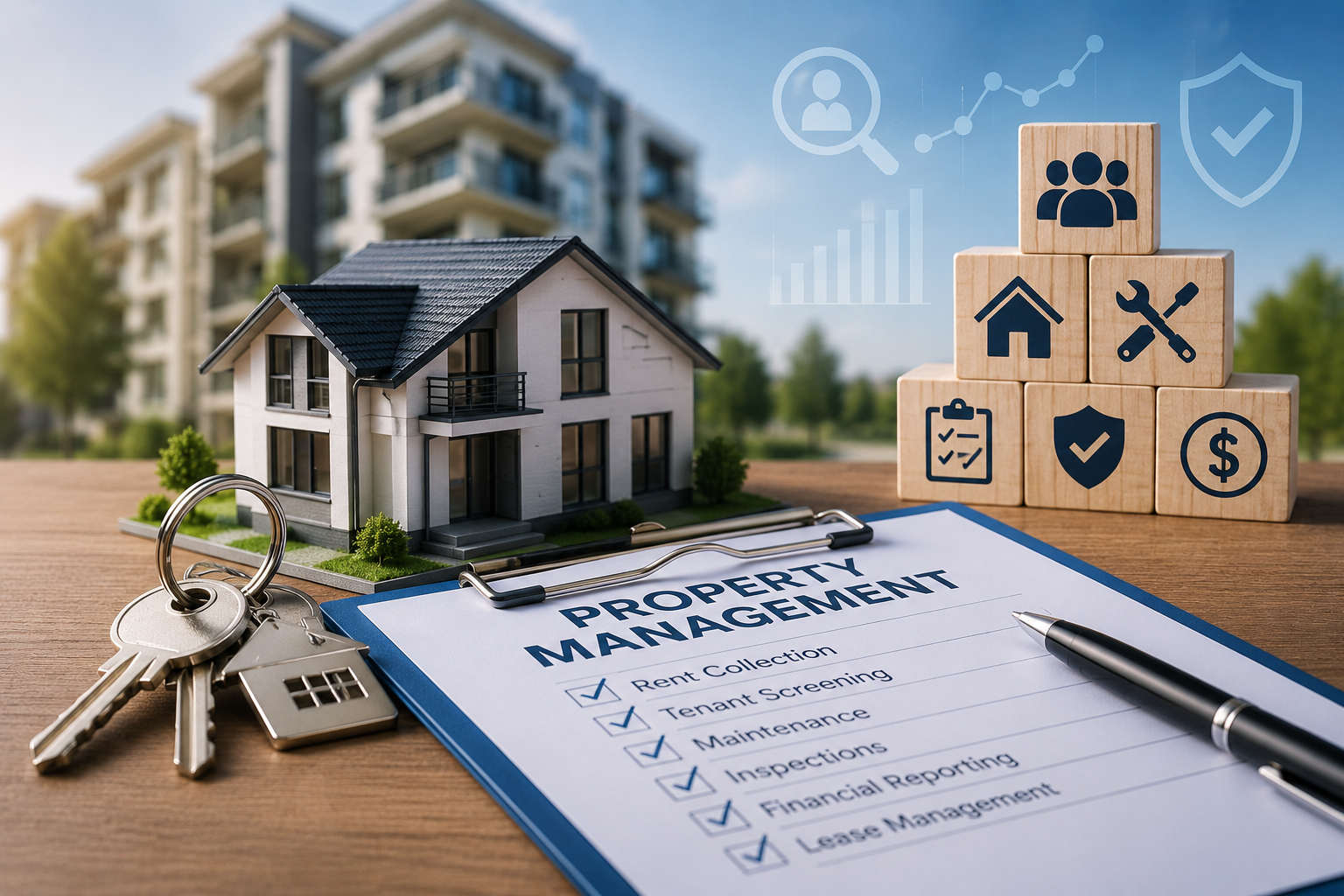

What Does a Property Manager Actually Do? 7 Essential Roles for Tenants and Landlords
What Does a Property Manager Actually Do? A Guide for Tenants and Landlords
Renting a property or investing in real estate comes with countless moving parts, and sooner or later, the daily operational challenges start to pile up. Whether it is finding reliable tenants, chasing rent arrears, or coordinating urgent maintenance, having professional oversight is essential.
Effective management does not just protect the physical value of a building; it also ensures a smooth, transparent relationship between landlords and tenants. Here is a breakdown of what property managers actually do behind the scenes.
- Rent Collection and Financial Management
Chasing late payments and managing cash flow can strain the landlord-tenant relationship. Professional managers step in to streamline financial operations.
- Automated Collection Systems: They set up structured payment channels and enforce clear lease terms to minimize late payments.
- Financial Reporting: Professional managers maintain accurate records of income, expenses, and maintenance costs, providing landlords with transparent financial updates.
- Lease Enforcement and Conflict Resolution
Disputes and compliance issues can arise during any tenancy. Professional managers act as neutral, professional intermediaries to resolve problems efficiently.
- Enforcing Building Rules: They ensure that community guidelines, quiet hours, and building usage terms are respected by all occupants.
- Handling Legal Compliance: Professional managers stay up-to-date with local tenancy laws and regulations, ensuring that notices, inspections, and dispute resolutions are handled legally and fairly.
- Vacant Property Management
A rental unit does not stop requiring attention simply because it is unoccupied. Vacant units can be vulnerable to damage, unauthorized access, neglect, and security concerns.
- Regular unit Checks: Professional managers monitor vacant units, identify potential issues early, and coordinate necessary maintenance and repairs.
- Preparing for New Tenants: They ensure vacant spaces are clean, presentable, functional, and ready for viewing and occupancy, helping reduce unnecessary downtime between tenancies.
- Maintenance and Repair Coordination
Buildings require ongoing upkeep, from routine servicing to emergency fixes. Management teams act as the primary point of contact for all maintenance issues.
- Vetted Contractor Networks: They coordinate with trusted, skilled multi-trade professionals to handle plumbing, electrical, and structural repairs quickly.
- Tracking and Documentation: Property managers log maintenance requests, oversee repairs, and keep detailed records to ensure the property stays safe and habitable.
- Routine Inspections and Asset Protection
To prevent minor issues from turning into costly structural damage, proactive oversight is required.
- Scheduled Property Checks: Professional managers conduct regular walkthrough inspections to check the condition of common areas, fixtures, and structural elements.
- Preserving Property Value: By addressing wear and tear early, they ensure the property
- remains attractive, functional, and competitive in the market.
- Tenant Screening and Onboarding
Finding the right tenant is an important part of protecting a rental investment. A professional manager can handle much of the tenant selection and onboarding process while applying consistent screening procedures.
- Tenant Screening: Professional managers verify relevant tenant information and assess whether prospective tenants meet the agreed rental requirements.
- Lease Agreements and Onboarding: They help prepare clear tenancy agreements, coordinate deposits, and guide new tenants through the move-in process.
- Move-In Inspections: Documenting the property’s condition at the beginning of a tenancy can help establish clarity for both the landlord and tenant.
By handling everything from tenant communication and rent collection to maintenance coordination, property inspections, vacant property oversight, and legal compliance, professional managers take much of the stress out of real estate ownership. They help landlords protect their investments, maintain asset value, and provide tenants with a well-managed living or business environment.
At Bahamas Property Managers, our goal is to make property ownership simpler, more efficient, and more rewarding through professional, reliable management. Whether you own a residential, commercial, or rental property, professional management can help you spend less time dealing with daily challenges and more time focusing on the value and growth of your investment.

